
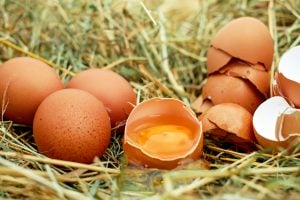
 At the hearing of the word Easter everyone will see different-coloured egg shells and eggs in various culinary forms. Eggs are a very important element of our holiday table. However, the question arises whether and how eggs affect the level of cholesterol in the blood, and thus the risk of heart disease. It is time to face the myths and clearly determine if and how much we can eat eggs wanting to take care of our own health. Due to the fact that the topic is still controversial, I have written quite a bit.
Continue reading “And what about these eggs? Healthy or not?”
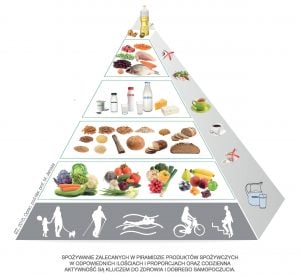 You probably know this pyramid. The principles of healthy eating are very similar throughout the world. The basis are cereal products, vegetables and fruits are also very important, followed by meat, fish and dairy products. Fats and sweets should be kept to a minimum. But does the healthy eating pyramid look the same all over the world? See how the universal recommendations can be presented in so many different ways!
 Recently, I came across the headline “Less gluten – more diabetes.” American scientists with 30 years of research results. ” So I decided to check what interesting research this is, where the media downloaded such wonderful information and how reliable the message is.
 Remember that everything you eat becomes part of you. Therefore, diet not only affects the functioning of internal organs and the whole metabolism, but also diet is reflected in the external appearance. Therefore, the condition of your skin directly depends on your diet. Minor facial imperfections often appear after eating junk food, lots of chocolate, or sweets in general. Since a single meal can have such effects, think about your skin’s condition, when you make even small long-term nutritional mistakes. An inadequate diet can cause serious skin conditions such as chronic dermatitis, pruritus, psoriasis, alopecia and skin cancer. And vice versa. Care for proper nutrition of the skin keeps it healthy and beautiful. So let’s make sure that your daily meals provide all microelements necessary for skin health.
 In Poland, the tradition of eating donuts on Shrove Thursday, then called pampuchy, dates back to the seventeenth century. Pampuchy were made of the best flour, probably wheat. However, they were not eaten sweet, as today, but sprinkled with cracklings. Bread dough was fried in deep, hot fat, usually lard. The idea was for the pampuch to be as greasy as possible. It was customary to indulge before a 40-day fast, during which only fast food was eaten.
 In the case of excess weight, i.e. when the BMI is in the range of 25-30 kg / m2, 2 – 4 kg per month should be reduced. Of course, it is best if as many of these kilograms as possible are fat, because it is not about burning the muscles that allow us to run. To achieve this, the diet must be well balanced in terms of macro and micronutrients.
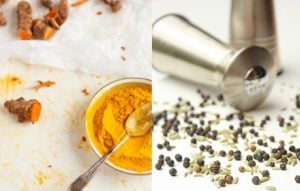 Nowadays, we have virtually endless possibilities of combining various food products. In supermarkets, not only regional and seasonal products are available, but also foreign and exotic ones. Thanks to this, our cuisine certainly becomes diverse and interesting, but you must remember that food interacts with each other, affecting the bioavailability of minerals and vitamins, i.e. the ability of our body to use nutrients. Among nutritionists there is a very good saying, “You are not what you eat but what you digest.” Bad combinations can cause weakness of the digestive tract, decreased immunity, weight gain and many health problems. On the other hand, however, well-selected food products mutually improve the absorption of nutrients causing increased benefits.
 The time has come for a few words about seasonal delicacies, and this time it will be kale. Today, of course, we can find kale in supermarkets throughout the year, but it is in the middle of winter and at the beginning of spring that the vegetable has the best taste and is the most nutritious. Beautiful dark green leaves with an earthy aftertaste have more nutrients than you might think, given its very low calorie content.
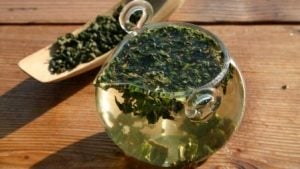 This year, winter came to us in January, so I’m sure that on these cold evenings a cup of hot and warming tea appears in the hands of many people. At the same time, January is a month of New Year’s resolutions, often related to weight loss or health. So what word connects slimming, health and tea? This is oolong, or black dragon tea!
 Aromatic, spicy and sharp – this is how ginger can be described shortly. It adds a lot of flavour and aroma to Asian, as well as fruit and vegetable dishes. In natural medicine, this spice has become famous for its properties to eliminate bloating and gas, as well as bringing comfort and relaxation of the digestive system muscles. Today’s research does not only confirm these properties, but also emphasise its anti-inflammatory and antioxidant role.